
The Nymph of New Life
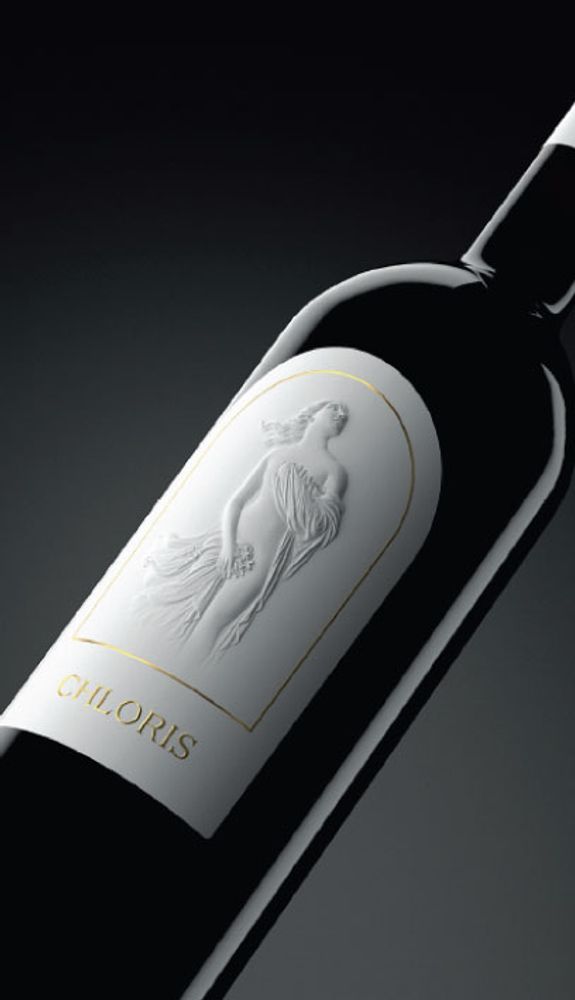
Before Flora became a goddess, she was Chloris—a woodland nymph, wild and untamed. Taken by the west wind of Favonius, she becomes the seed of transformation. This wine captures that moment: vibrant, verdant, and full of youthful energy.
A bold and beautifully refined expression of Napa Valley Cabernet Sauvignon, the 2023 Chloris brings together fruit from Hardman Vineyard in Oak Knoll and the Komes Block on Zinfandel Lane in Rutherford. The two sites create a compelling balance of freshness, depth, and richness, with layers of black cherry, cassis, and ripe blackberry complemented by espresso, cedar, dark chocolate, and subtle mint. Full-bodied yet graceful, Chloris is framed by velvety texture and fine-grained tannins, leading to a long, elegant finish. A sophisticated Cabernet to enjoy now or cellar for years to come.
The 2023 Chloris Cabernet Sauvignon is bold and expressive, with a concentrated core of black cherry, cassis, and ripe blackberry. Aromas of espresso, cedar, and dark chocolate unfold alongside French oak spice and a subtle touch of mint, adding aromatic complexity and dimension. Full-bodied yet graceful, the palate is rich and velvety, layered with notes of mocha and baking spice. Fine-grained tannins provide structure and balance, carrying the wine through a long, elegant finish with warmth and refinement.
The 2023 Chloris Cabernet Sauvignon brings together fruit from two distinctive Napa Valley sites: Hardman Vineyard in Oak Knoll and the Komes Block on Zinfandel Lane in Rutherford, each contributing a unique dimension to the wine. The cooler Oak Knoll site lends freshness, structure, and vibrant fruit character, while the Rutherford fruit brings richness, depth, and supple texture. Together, these vineyards create a Cabernet Sauvignon with remarkable balance and complexity—uniting the precision of Oak Knoll with the warmth and generosity of Rutherford.
The 2023 growing season began with abundant winter rainfall, replenishing vineyard soils and water reserves across Napa Valley. A cool, extended spring delayed the growing season, followed by a moderate summer that allowed the grapes to ripen gradually while maintaining natural acidity and freshness. The resulting fruit showed excellent balance between concentration and vibrancy, providing the foundation for wines with expressive aromatics, refined tannins, and strong aging potential.